Your operation requires consistent cleaning schedules customized for unique hazards, daily throughput, food allergens, and inspection schedules, including auditable records validating HACCP requirements, inspection compliance, and public health regulations. The information following give guidance on sanitation program requirements.
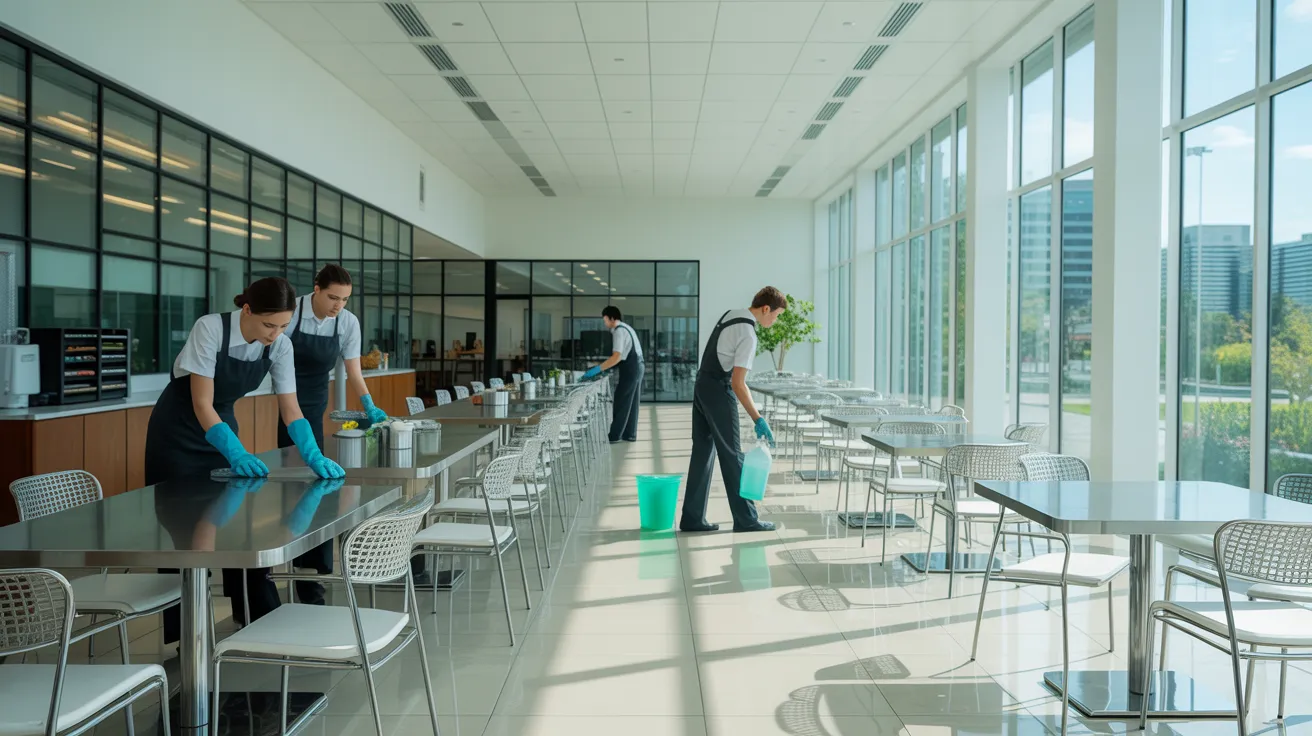
Important Highlights
- Brampton food safety cleaning experts service restaurants, grocery departments, commissaries, warehouses, bakeries, schools, mobile vendors, and allergen-sensitive operations.
- Cross-contamination prevention is maintained by disinfecting frequently contacted areas, food-contact equipment, kitchens, floors, drains, restrooms, and storage areas with sectional methods.
- Qualified providers check approved sanitizer dilution, compatibility, and contact time, then document finalization with tests, audits, and remedial documentation.
- Risk, production rate, transitions, releases, and requirements need to shape maintenance timelines, with regular, weekly, and seasonal tasks distributed by section.
- Contractors ought to exhibit HACCP, public-health understanding, WHMIS instruction, coverage, endorsements, coded implements, and assessment-ready hygiene files.
Which Brampton Facilities Need Food Safety Cleaning?
You must maintain food safety cleaning if your facility is regulated by health department oversight, food standards, or HACCP requirements. This covers restaurants, cafeterias, commissaries, grocery food departments, butcher shops, seafood counters, convenience stores, and institutional kitchens.
You also need adherent sanitation protocols in distribution centers, food processing plants, freezer facilities, commercial bakeries, educational nutrition programs, event spaces, and catering hubs. Mobile and temporary operations count too, including mobile kitchens, festival sellers, and temporary food stands. If your staff handle ingredients, section prepared foods, heat finished items, or keep allergens stored, your facility needs recorded sanitation procedures. In Brampton, food safety isn't elective; it's part of legal, operational, and consumer protection compliance.
Which Areas Do Brampton Cleaning Experts Cover?
Your operation needs cleaning professionals who disinfect frequently contacted surfaces, kitchens, all floor types, and toilet facilities for food safety and health code adherence. These zones receive attention because they represent the most significant contamination risk, hazardous walking conditions, and violations of hygiene standards.
If you comprehend their cleaning services, you'll be able to confirm your operation satisfies required operational and regulatory standards.
Prioritizing High-Touch Surface Disinfection
Professional Brampton sanitization specialists understand that high-touch surfaces need sanitizing since these areas contain harmful organisms and food particles. You should establish a formal plan for cleaning all high-touch items including handles, plates, switches, railings, control surfaces, POS systems, and refrigeration equipment. Applying surface identification mapping, teams pinpoint every frequently handled point and determine cleaning frequency
company specifications and relevant health codes to ensure desired results. Specialists might utilize sample analysis to validate disinfection results
Food Prep Areas, Flooring, and Sanitary Facilities
Brampton cleaning services focus on kitchens, floors, and restrooms as each zone presents distinct sanitation, accident, and wellness concerns. In industrial kitchens, you need grease removal from cooking stations, appliance surfaces, drain systems, preparation areas, and backsplashes to minimize bacterial growth and pest activity.
Professional floor upkeep with documentation is also included. is likewise provided as part of the service.
In restrooms, cleaners treat contact surfaces, bathroom hardware, partition walls, accessory dispensers, and receptacles then refill supplies and eliminate odor. They also maintain restaurant cleaning supply rooms where product storage, sink cleanliness, and drain systems impact daily sanitation standards and worker protection.
Food Safety Cleaning Significance for Brampton Businesses
In Brampton, you must maintain sanitary cleaning practices to meet regulatory standards and pass inspections. You also reduce bacterial spread through proper cleaning of food-preparation surfaces, appliances, and frequently-touched items. Most importantly, you help protect public health by lowering the risk of foodborne illness in your facility.
Regulatory Code Requirements
Food operations in Brampton face mandatory safety protocols, making food safety cleaning critical to meeting health code requirements, safeguarding patrons, and preventing enforcement action. You must maintain sanitized food contact points, written maintenance records, safe chemical management, and documented employee protocols that comply with municipal and provincial inspection expectations.
Quality sanitation practices supports in reducing allergen risks by reducing residue buildup on common tools and high-touch areas.
Cross-Contamination Control
Adhering to regulatory guidelines requires your expertise in stopping cross-contamination throughout daily food handling and cleaning. You need to separate raw ingredients from ready-to-eat foods, sanitize work stations after each task, and store cleaning supplies separately from food. Organized systems minimize contamination events and ensure consistent compliance during inspections.
You could implement allergen segregation to prevent priority allergens from contacting shared surfaces, containers, or equipment. Use dedicated cutting boards, color-coded tools, and rigorous tool identification so team members avoid blending products throughout cooking or delivery. Mandate handwashing after handling raw meat, seafood, eggs, or allergen-containing products. Change wiping cloths regularly, and test disinfectant concentration using strips. When employees learn these procedures every shift, you develop a more sanitary, secure business that matches Brampton's safety requirements daily.
Public Health Protection
When food safety cleaning deteriorate, you don't only face inspection setbacks—you expand the chance of foodborne illness affecting customers, staff, and the larger Brampton community. You also weaken your role in safeguarding community wellness, especially in busy food facilities where contamination can spread quickly through surfaces, equipment, and touchpoints.
You need cleaning protocols that eliminate contaminants, disinfect properly, and verify results. That means following exposure periods, employing authorized sanitizers, documenting schedules, and educating employees to meet health-unit expectations. These controls support disease prevention by lowering microbial loads before they contaminate surfaces or food. In Brampton, rigorous cleaning protects vulnerable populations, prevents disease spread, and enables you to show due diligence. When you clean to standard, you exceed basic requirements—you substantially decrease danger and promote secure food handling throughout the region.
In What Ways Does Cleaning Help Achieve Food Safety Compliance?
Maintaining rigorous cleaning routines ensures food safety compliance by minimizing contamination hazards, managing pathogen expansion, and keeping your facility meeting sanitation requirements under HACCP-based programs and public health regulations. You ensure that food-handling surfaces appear visibly clean and microbiologically controlled, enabling documented preventive controls and inspection readiness.
Cleaning strategies additionally upgrade allergen control by removing residues that can cause undeclared allergen exposure.
When Ought You Arrange Commercial Cleaning?
spill incidents, and following-maintenance work
Establish every week or monthly cleaning on drains, ventilation systems, storage racks, and hard-to-reach areas, based on inspection results and sanitation logs. Dedicate seasonal thorough cleaning for shutdowns, weather-related soil buildup, or pest-pressure periods
How Do You Choose Brampton Cleaning Experts?
Screen providers initially by their food-safe sanitation requirements—not budget alone. You need to confirm that every company meets CFIA, public health, and HACCP standards for your operation. Demand insurance verification, WHMIS compliance, training records, and management systems. Evaluate technician understanding of cross-contamination risks, chemical safety, and documented sanitation practices.
You should further examine operational reliability and answerability. Request testimonials from Brampton food businesses, then review reply speed, corrective action plans, and communication protocols. Validate the company supports supplier audits and can present inspection-ready documentation to regulators or external parties. Confirm equipment is maintained, colour-coded tools are applied correctly, and site-specific hazards are identified. A experienced service protects compliance, product integrity, and your reputation in the market.
Which elements are contained in a Food Safety Cleaning Plan?
Put together a written plan that establishes every sanitation duty, standard, and accountability before production begins. You should list cleaning intervals, permitted substances, dilution percentages, exposure times, instruments, and inspection methods for each sector, surface, and equipment. Make sure to include pre-operational inspections, corrective actions, and employee training requirements.
Your framework should also include cross-contamination controls, waste handling, pest-prevention measures, and documented schedules for restrooms, drains, floors, and food-contact areas. Specify how you'll distinguish raw from ready-to-eat operations, support ingredient tracking, and copyright accurate allergen labeling through validated cleaning between product changes. You should define accountability, maintain signed records, and review results against regulatory read more standards, HACCP controls, and customer requirements. When gaps appear, revise procedures immediately and retrain staff.
Commonly Asked Questions
Will cleaning services manage overnight shifts at Brampton properties?
Yes, you can arrange sanitation coverage to support nighttime operations in Brampton facilities. You'll arrange nighttime cleaning around operational schedules, access controls, and personnel needs. Providers typically map overnight procedures to minimize interruption, maintain compliance, and record finished work. You should confirm response times, supervision, access protocols, and waste handling before service begins.
Can Brampton cleaning experts handle emergency spill response?
Yes, you can expect Brampton sanitation professionals who provide hazard containment services. They manage hazardous materials, assess risks, isolate affected areas, and start rapid decontamination to minimize risk and prevent business interruption. You should confirm response times, training certifications, safety procedures, and waste management. If your facility must meet regulatory requirements, choose a provider that documents incidents, maintains regulatory procedures, and supports audit readiness.
Are plant-based disinfectants appropriate for food preparation areas?
Yes, eco-friendly disinfectants can be appropriate for food-contact surfaces if you select products labeled food safe and meeting regulatory standards. You should confirm application timing, mixing proportions, and rinse requirements before deployment. Many natural-based solutions lower harsh chemical exposure, but you require confirmation of performance against relevant pathogens. To maintain residue free surfaces, you should follow manufacturer directions precisely and validate the disinfecting agent satisfies relevant food safety standards.
Can sanitation programs be tailored for seasonal shifts?
Certainly, maintenance plans accommodate production fluctuations well. Adjust frequencies, personnel, cleaning agents, and validation steps to align with operational cycles while sustaining regulatory requirements. Reduce production downtime via planning sanitation alongside production shifts, maximum output, and equipment use patterns. Also revise procedural documents, staff education, and environmental testing to reflect seasonal hazards, emerging allergens, or higher contamination levels. Ongoing evaluations maintain the schedule functional.
Are professional cleaning companies offering staff training on hygiene protocols?
Indeed, professional cleaners often offer staff training on proper hygiene. Your team obtains training on safe chemical application, contact times, preventing cross-contamination, equipment disassembly, and record-keeping. They generally adhere to training with HACCP, GMP, and CFIA or local public health requirements. Many perform sanitation audits to confirm standards, identify gaps, and reinforce corrective actions. This assists you to establish reliable processes, pass inspections, and decrease foodborne illness risks each day.
Closing Remarks
Through working with Brampton commercial cleaning and food safety specialists, you accomplish much beyond organizing—you keep your operation prepared for inspections and your standards stay aligned with regulations. From production floors to kitchens, all clean areas and kept corners help prevent pest problems and prevent significant costs. Through booking service on suitable timelines and adhering to a comprehensive cleaning program, you safeguard employees, your patrons, and your standing. Within strict regulatory frameworks, proper sanitation must be a priority—they are fundamental to success.